Why Does a Sofa Squeak? Finding and Fixing the Source
A squeak is the sound of two surfaces rubbing. In a sofa those two surfaces are almost always in one of three places: a metal pivot, a loose fixing, or the timber frame. The right fix starts with working out which — the three need different treatment, and applying the wrong one can make the noise permanent.
Identify the noise first
| What you hear | Likely source | First check |
|---|---|---|
| Thin squeak throughout the movement | Metal-on-metal friction at a pivot | Is there a cap or bush at the pivot point? |
| A single click as you sit down | A loose bolt or screw | Tightness of every fixing point |
| Creaking as you shift your weight | Looseness or a crack in the timber frame | Frame corners and leg fixings |
| Only during opening and closing | The moving area of the mechanism | Dust, lint or debris in the travel path |
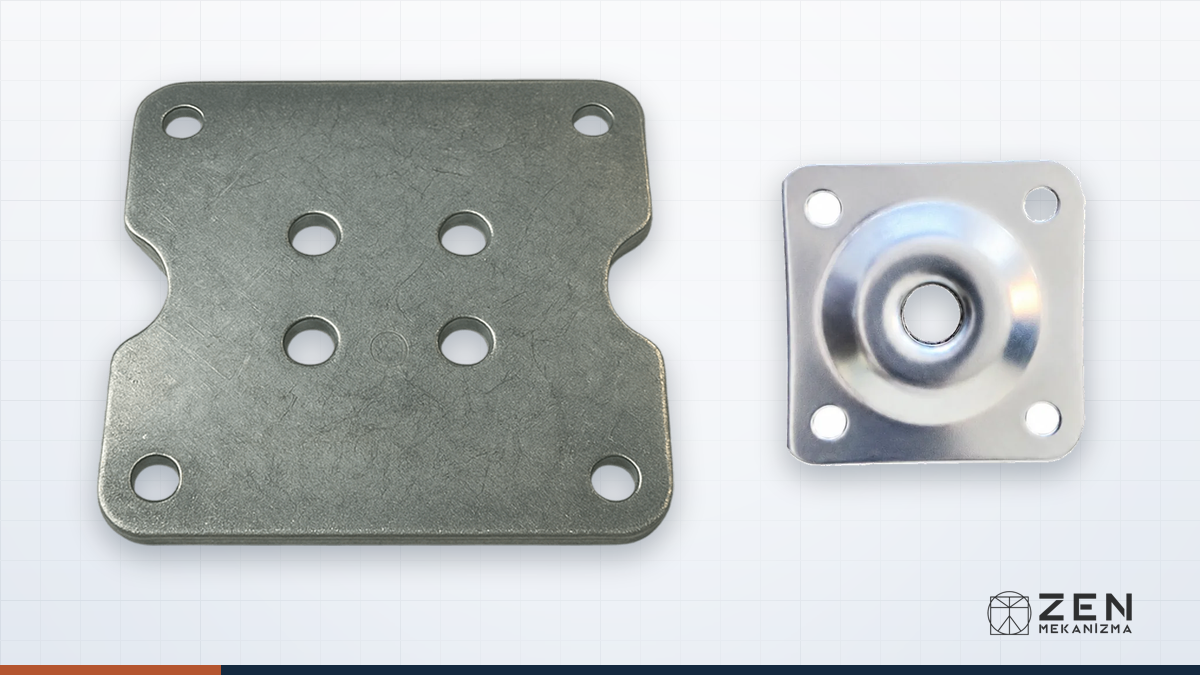
| Noise when you press towards the floor | Leg fixing or foot tip | Screws on the leg mounting plate |
A five-minute diagnosis
- Take the load off. With the seat empty, move the back to and fro. Noise here means the mechanism; silence means looseness that only appears under load.
- Press one area at a time. Push on the arm, the back and the seat separately to narrow down where the sound comes from.
- Put a hand on the pivot. If you can feel the vibration through your hand during movement, that is the source.
- Check the screws. Try every visible fixing in turn; tighten anything with even half a turn of play.
- Listen again. Tightening alone resolves a large share of cases; if noise remains, move on to lubrication.
The right fix
Friction at a metal pivot
Apply light machine oil or a silicone-based spray to the moving point sparingly. The aim is not a pool of oil but a thin film between two metal faces. Excess oil collects dust and brings the noise back within months.
A loose fixing
Tighten bolts and screws, but do not overdo it or you will strip the thread. If a screw no longer holds, the hole has widened — and the answer is not more tightening but spreading the load across a wider surface. See why screws strip in chipboard.
The timber frame
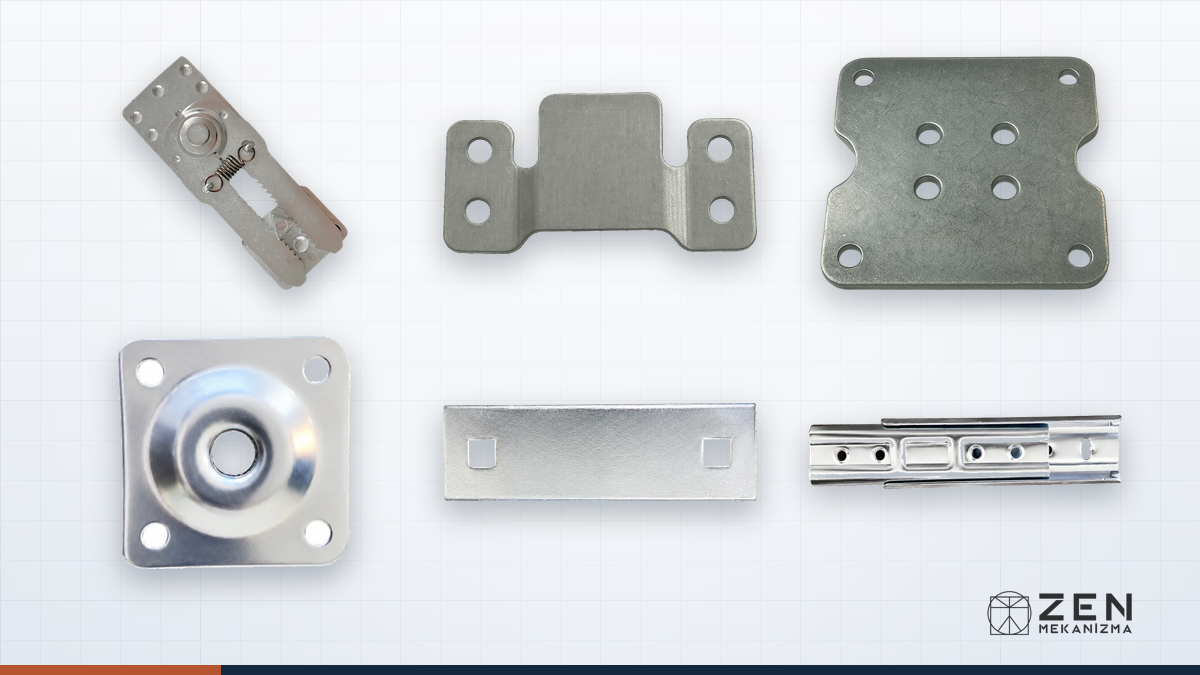
Oil does nothing for wood-on-wood friction; the problem is usually a loosened joint. A leg bracket at the leg fixings both silences the noise and makes the joint permanent.
What not to do
- Mistaking a penetrating spray for a lubricant. It gives instant relief but leaves no lasting film, so the noise returns within weeks.
- Muffling the sound with fabric. Packing the moving area stops the mechanism seating fully and creates stiffness.
- Using too much oil. It collects dust and lint, and friction returns worse within months.
- Forcing it. If there is stiffness alongside the noise, forcing the mechanism can turn a squeak into a permanent failure.
Noise is information. A user who notes when it happens, with which movement and under what load, usually finds the source before the technician does.
On the manufacturing side: design the squeak out
Most squeak complaints from the field can be prevented by a few decisions in production:
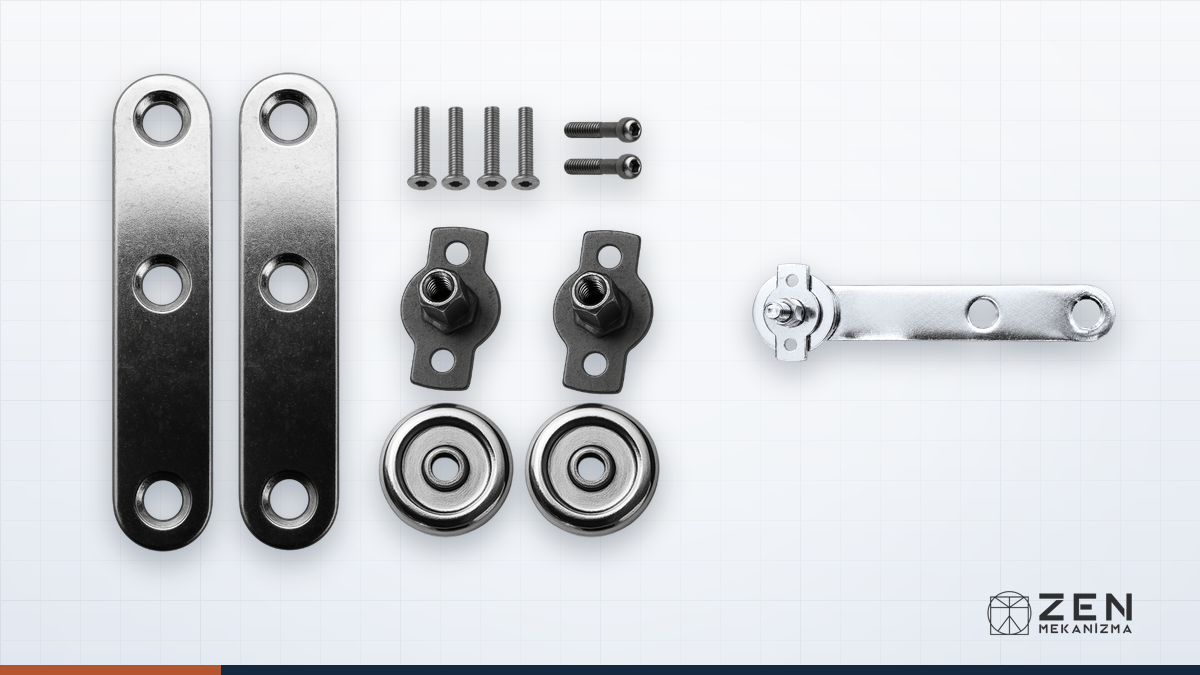
- Stop metal touching metal at the pivot. That is exactly what the roller cap in the CSS 4 kit does: it fits at the point the link plate turns and takes the friction out.
- Choose the segment by kit contents, not by claimed quietness. The part that stops friction at the pivot is the roller cap, and in our family the member that carries it is CSS 4; the CSS Lux and CSS 3 kits carry a corner cover plate and an alignment stud instead. For a detailed comparison see the CSS family comparison.
- Standardise assembly torque. Loose fixings are the most common source of noise appearing in the first six months.
- Do not restrict travel during upholstery. Foam and fabric must not block the path the mechanism opens through.
To see how much difference routine care makes, read maintenance and lifespan of seat mechanisms, and for an overview of mechanism types see types of sofa mechanisms.
Frequently Asked Questions
How do I stop a sofa squeaking?
Find the source first. Check and tighten every visible fixing screw — that resolves a large share of cases. If the noise comes from a metal pivot, apply a small amount of light machine oil or a silicone-based spray. If it comes from the timber frame, oil will not help; the joint needs reinforcing with a fitting.
Can I use a penetrating spray such as WD-40?
Solvent-based penetrating sprays give instant relief but leave no lasting oil film, so the noise usually returns within weeks. For a lasting fix use light machine oil or a silicone-based lubricant.
Why does a brand-new sofa squeak?
On a new product the noise usually comes not from lack of lubrication but from assembly torque left too low, or from travel restricted during upholstery. If the product is under warranty, go back to the seller rather than dismantling the mechanism yourself.
Is the noise dangerous — can I keep using it?
A light squeak on its own is generally not a warning sign. But if it comes with stiffness, resistance in one direction, play or a cracking sound, stop using it and check the connections.
As a manufacturer, how do I reduce squeak complaints?
Three measures do most of the work: use a part that stops metal rubbing directly on metal at the pivot, standardise assembly torque, and do not restrict the mechanism's travel during upholstery. Kit contents matter too: a set that carries a roller cap at the pivot comes with the first of these measures built in.
Let's find the right mechanism for your project together
Browse our products or get in touch with us.