CSS 4
Product Code ZM6-003
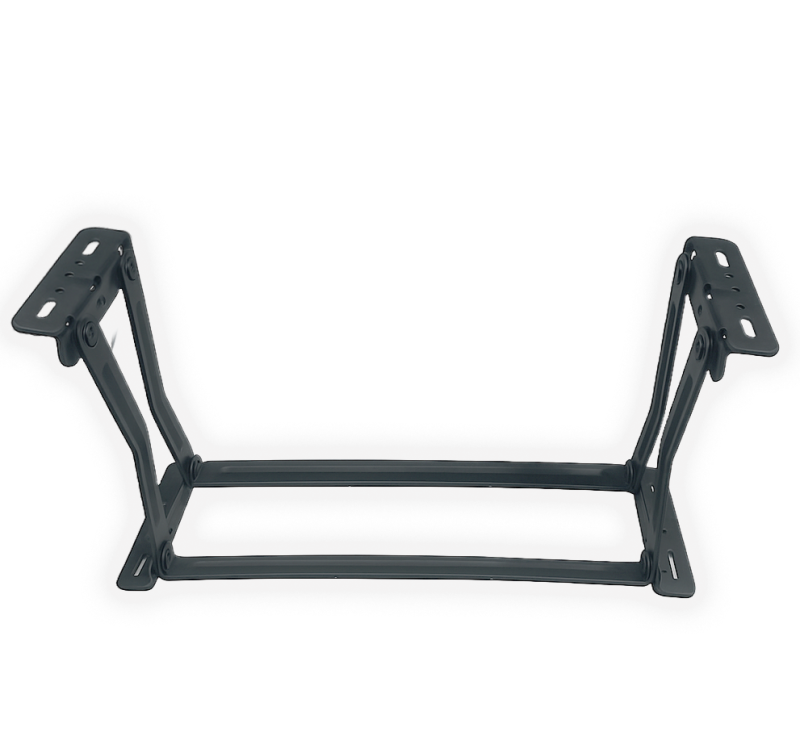
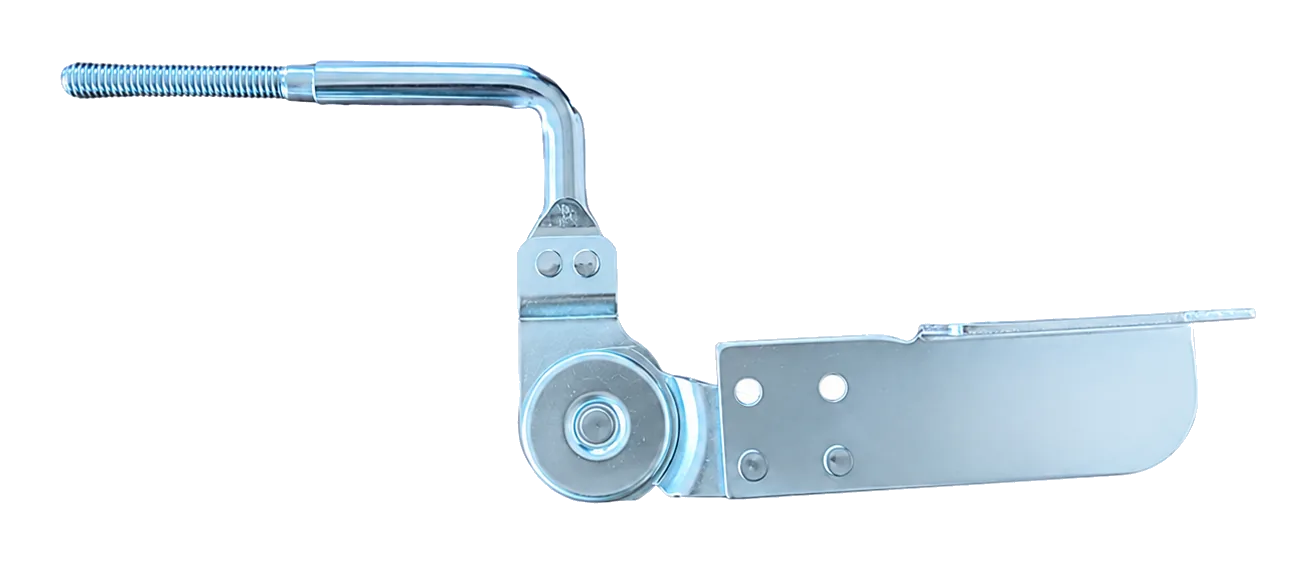
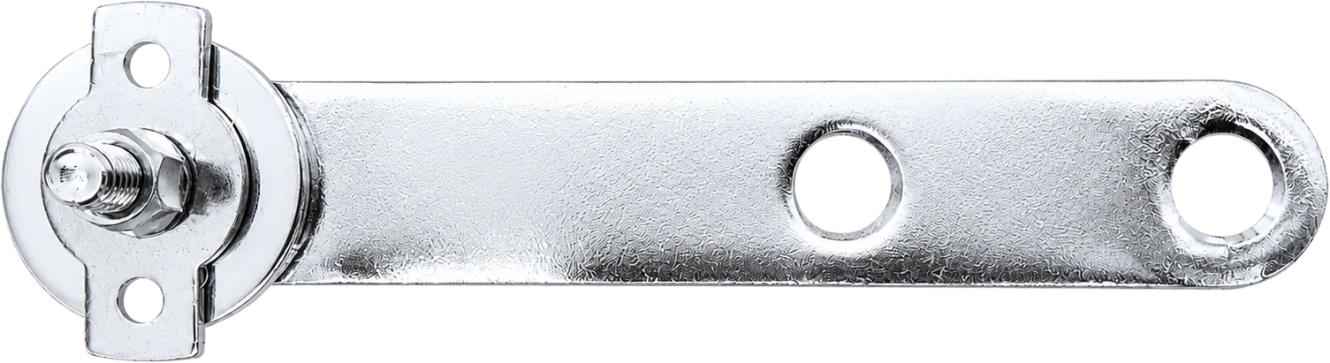
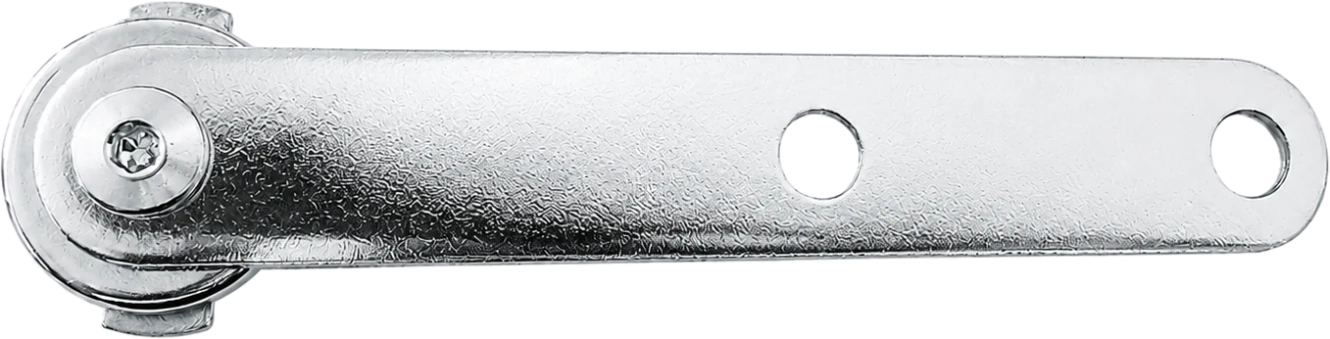
CSS 4 is the connection set that carries the opening and closing movement of a seat. The three-hole link arm is screwed to the timber frame, the joint bolt passes through the pivot point…
Read the full description- Material
- Steel
- Set Contents
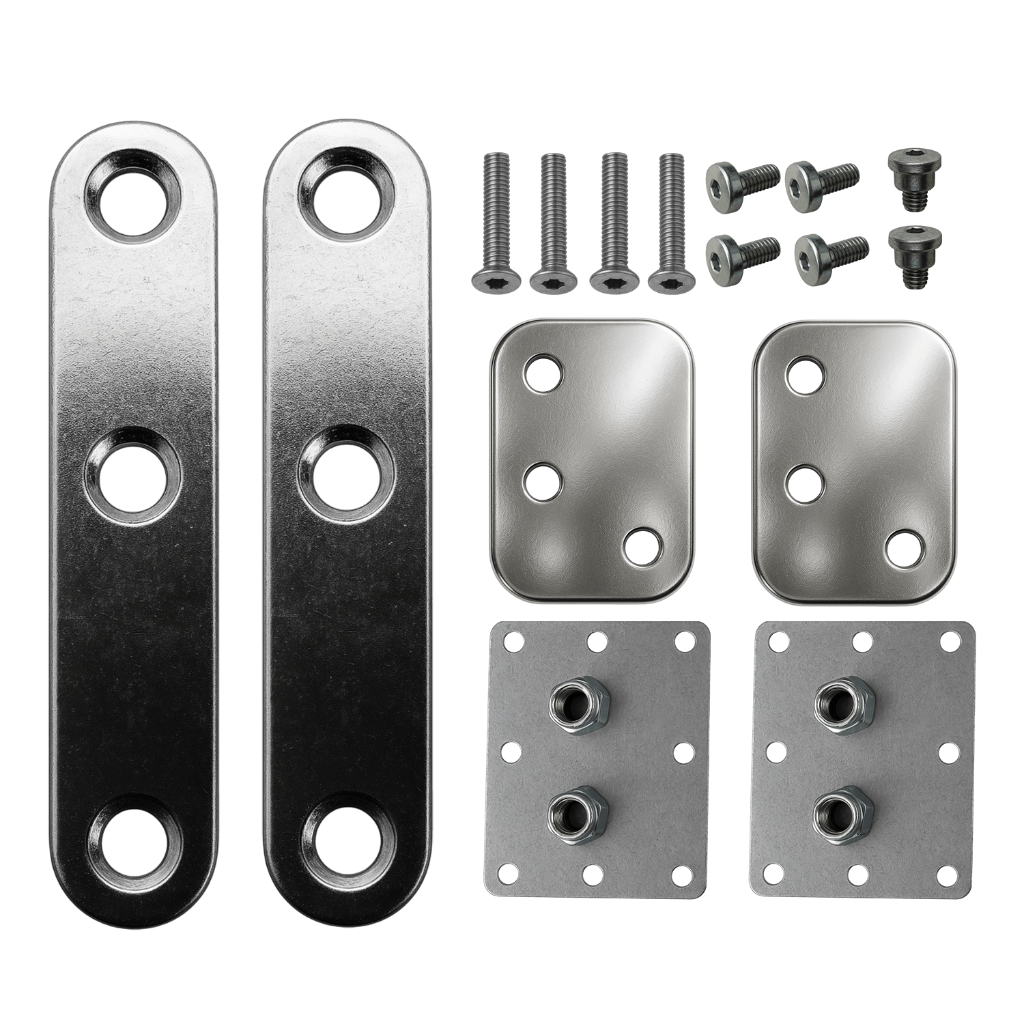
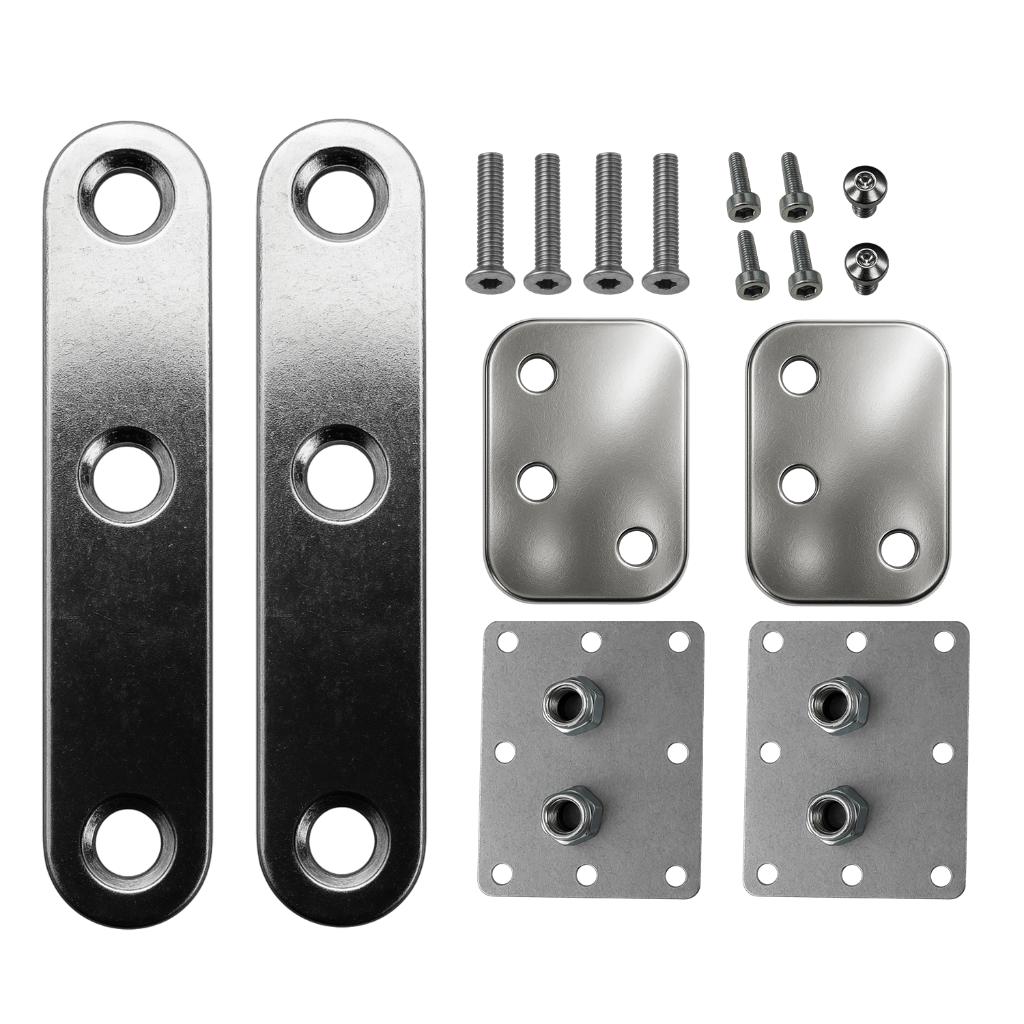
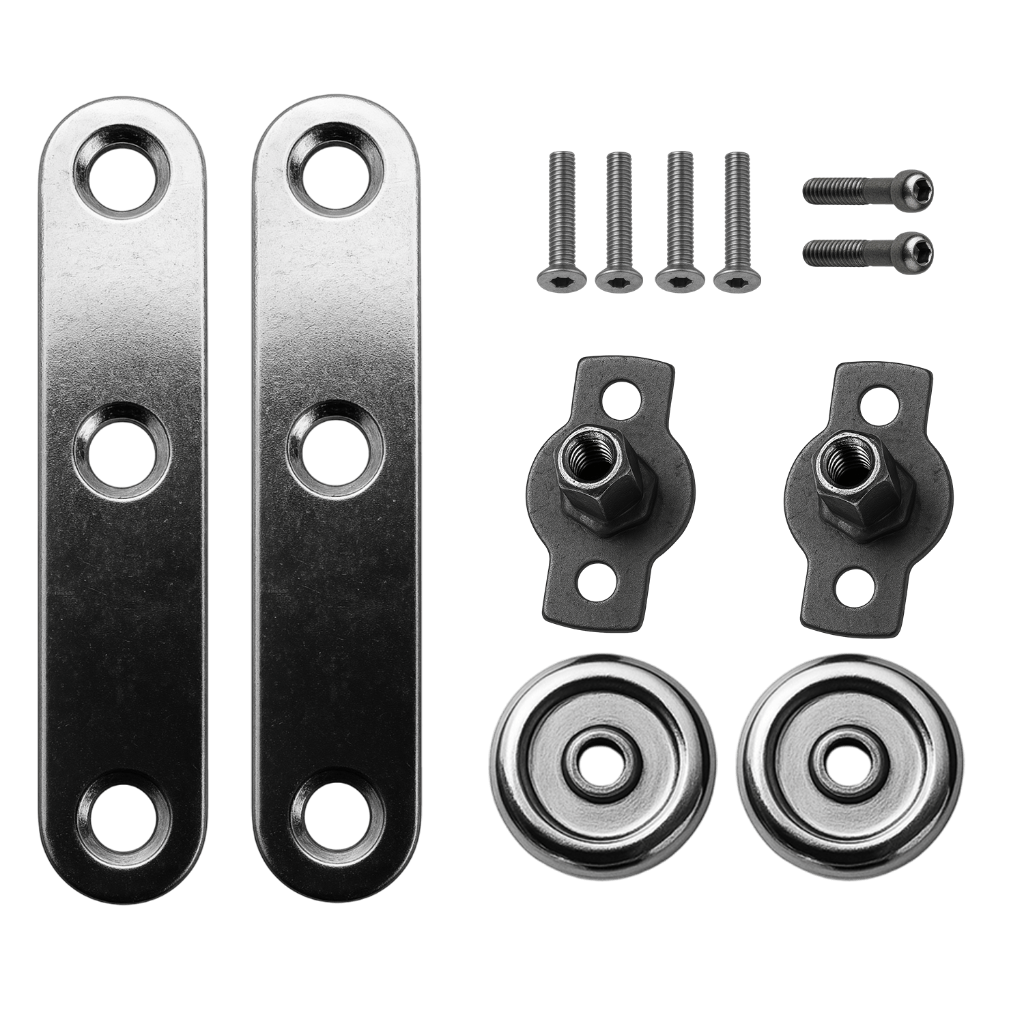
- Link arm, long mounting screw, joint bolt, roller cap, single-nut connection plate
- Custom Production
- Available in different sizes and surface finishes
Pricing depends on the project. Send us your dimensions and quantity and we will reply the same day.
Ordering from outside Turkey? Send a photo or drawing, the quantity and your destination country on WhatsApp or by email, and we will reply the same day. We already ship to Russia, Georgia, Iraq, Syria and the Balkans.
- Made in our own facility
- Custom sizes available
- Same-day reply
Product Information
Product Overview
CSS 4 is the connection set that carries the opening and closing movement of a seat. The three-hole link arm is screwed to the timber frame, the joint bolt passes through the pivot point and is tightened into the nut plate behind; the nuts are welded to the plate, so nobody has to hold a nut from behind during assembly. It is chosen for seating used every day, in offices, homes and waiting areas.
Product Advantages
- The set includes a roller cap, so metal does not rub on metal at the pivot and squeak and wear are reduced.
- The nuts are welded to the connection plate, so no one holds a nut from behind and assembly is quicker.
- The mechanism sits inside the frame and does not change the outward look of the furniture.
- All three members of the family share the same assembly logic, so changing segment does not change the line setup.
Technical Information
| Material | Steel |
|---|---|
| Set Contents | Link arm, long mounting screw, joint bolt, roller cap, single-nut connection plate |
| Custom Production | Available in different sizes and surface finishes |
Technical Drawings
These drawings are here to show how the mechanism works and how it goes together. They are not to scale, so please do not measure off them. The numbers on each drawing match the notes below it. If you need a dimensioned technical drawing for your own project, write to us and we will prepare one.
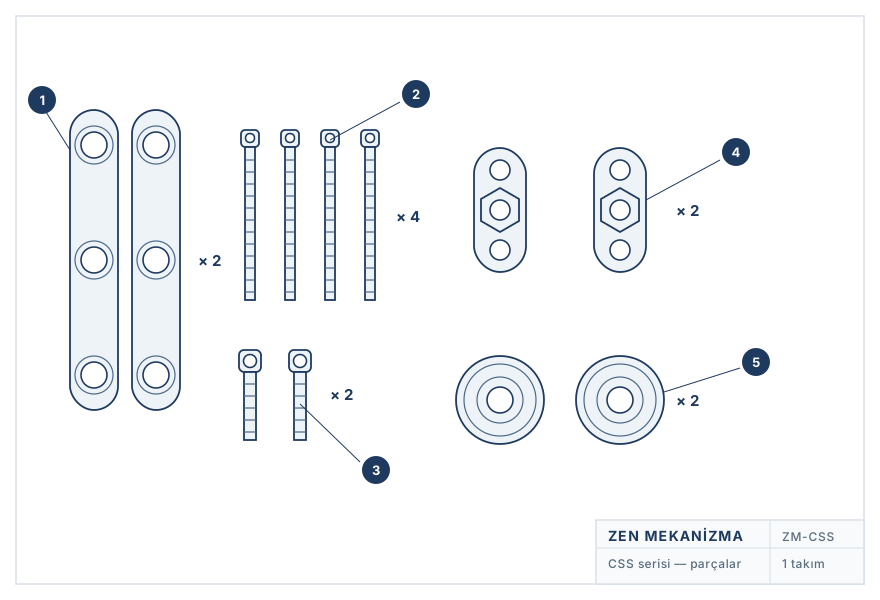
Kit contents — what is in the box
- 1 Link plate. Flat steel with three holes and rounded ends; this is the main part that carries the opening and closing movement.
- 2 Long mounting screw. Fixes the link plate to the wooden frame of the seat.
- 3 Short bolt. Used at the pivot — the point the link plate turns around.
- 4 Nut plate. The hex nut is welded on, so the bolt threads straight into it and you do not have to hold a nut while assembling.
- 5 Roller cap. Fits at the pivot point; it stops metal rubbing directly on metal, which prevents squeaking and wear.
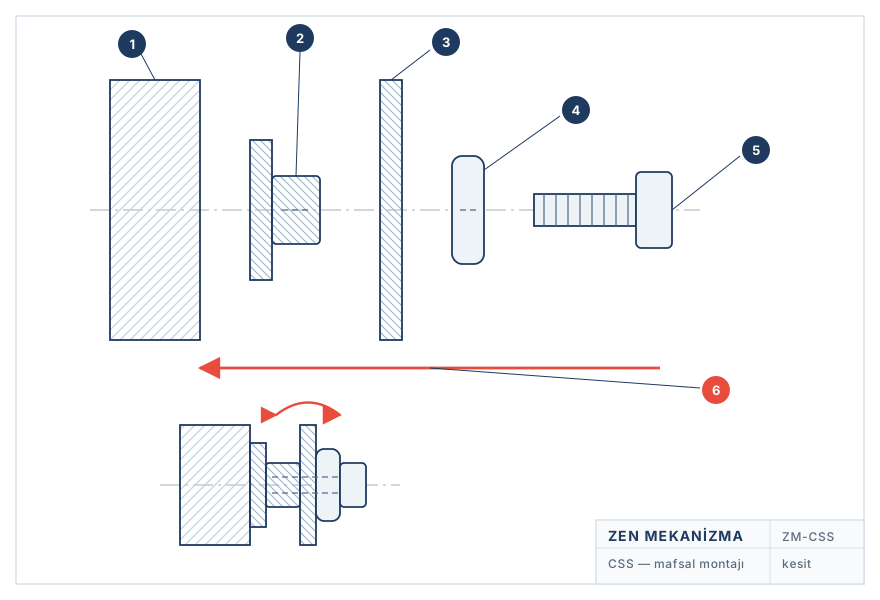
Assembly order — how the parts stack up
- 1 Wooden rail: the load-bearing batten in the seat frame. The mechanism fixes to this.
- 2 The nut plate goes behind the timber; the bolt threads into it.
- 3 The link plate sits in front.
- 4 The roller cap fits over the pivot point.
- 5 The bolt passes through the whole stack and tightens into the nut plate.
- 6 The arrow shows the direction the parts come together. The lower figure is how the joint looks once assembled.
Usage Areas
Office seating
preferred where furniture is in use all day.
Home furniture
used on living room and lounge seating.
Waiting areas
suited to shared-space furniture in frequent use.
Frequently Asked Questions
What does a CSS mechanism do?
It is the connection set that carries the opening and closing movement of a seat. The link arm is fixed to the timber frame, the joint bolt passes through the pivot and is tightened into the nut plate behind. It is fitted per module: on two- and three-seaters each seating unit carries its own set.
How does CSS 4 differ from CSS Luxury and CSS 3?
The function and the assembly logic are the same in all three; the difference is in the set contents and the level. The CSS 4 set has a roller cap and a single-nut plate. The CSS Luxury and CSS 3 (EKO) sets have a corner cover plate, a short stud and a multi-nut plate. There is a fuller comparison on our blog.
What is in the box?
Link arm, long mounting screw, joint bolt, roller cap and single-nut connection plate. It is supplied as a set, with its bolts.
What is the roller cap for?
It fits at the pivot and keeps metal from rubbing directly on metal. That is the part that reduces squeak and wear.
What sheet thickness and cycle life does it have?
We do not publish those figures here, because an unverified technical value causes real harm in a customer project. If you need them to compare for a sourcing decision, write to us and we will send what we hold.
If your question is not answered here, just ask. Send the dimensions and quantity and we will reply the same day.
Ask your questionRelated Guides
Short guides on selection, assembly and maintenance. Worth reading before you order.
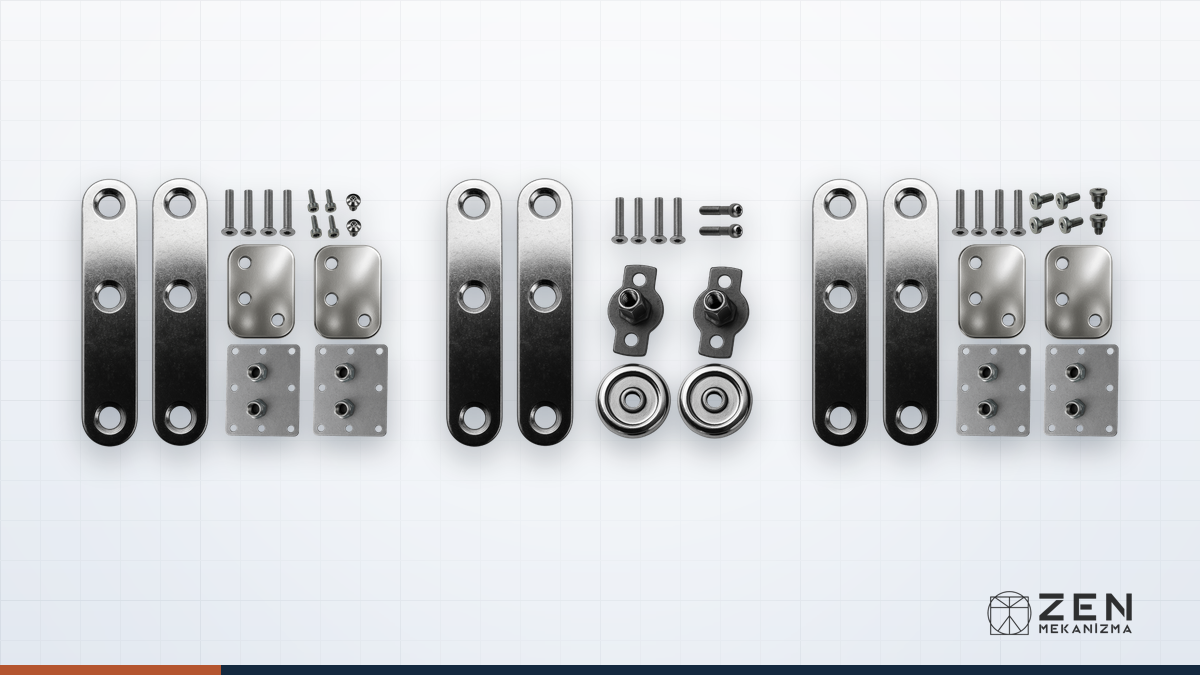 Comparison
CSS 3, CSS 4 and CSS Lux: What Is the Difference?
Where the difference between three members of the same family actually sits, how their kit contents diverge, and which one belongs in which project.
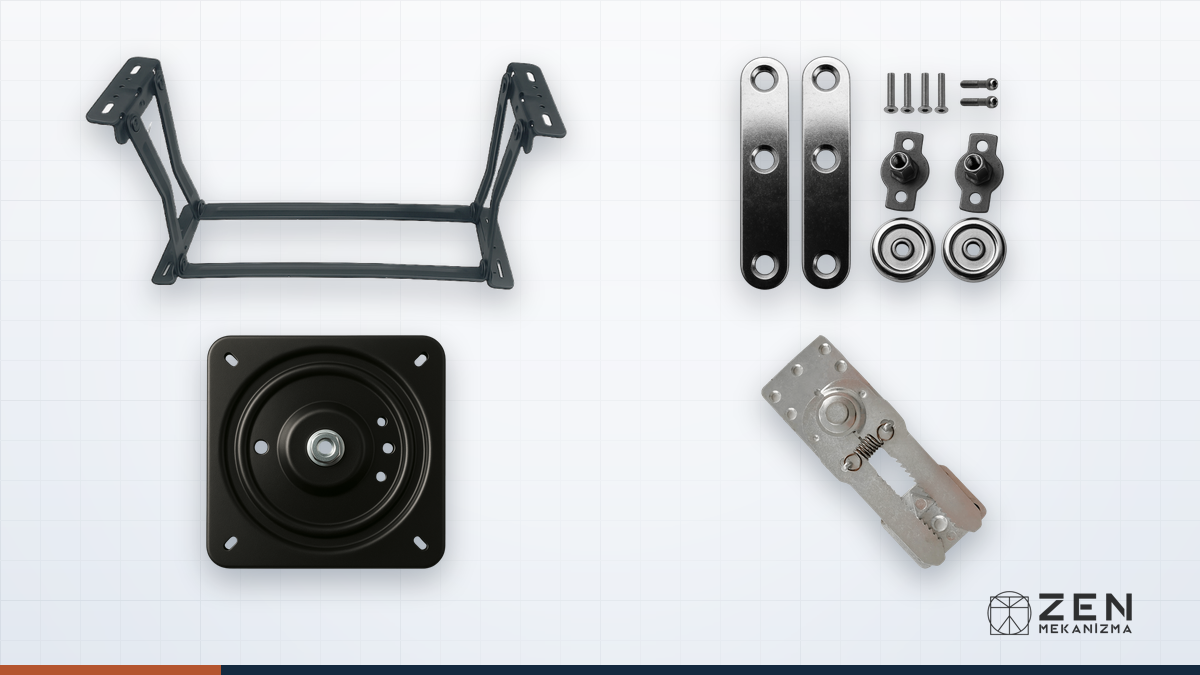 Guide
Guide
Types of Sofa Mechanisms: Which One for Which Project?
Backrest adjusters, CSS opening kits, rotating tables and fittings & connectors: a starting guide to what furniture mechanisms do and which one belongs in your project.