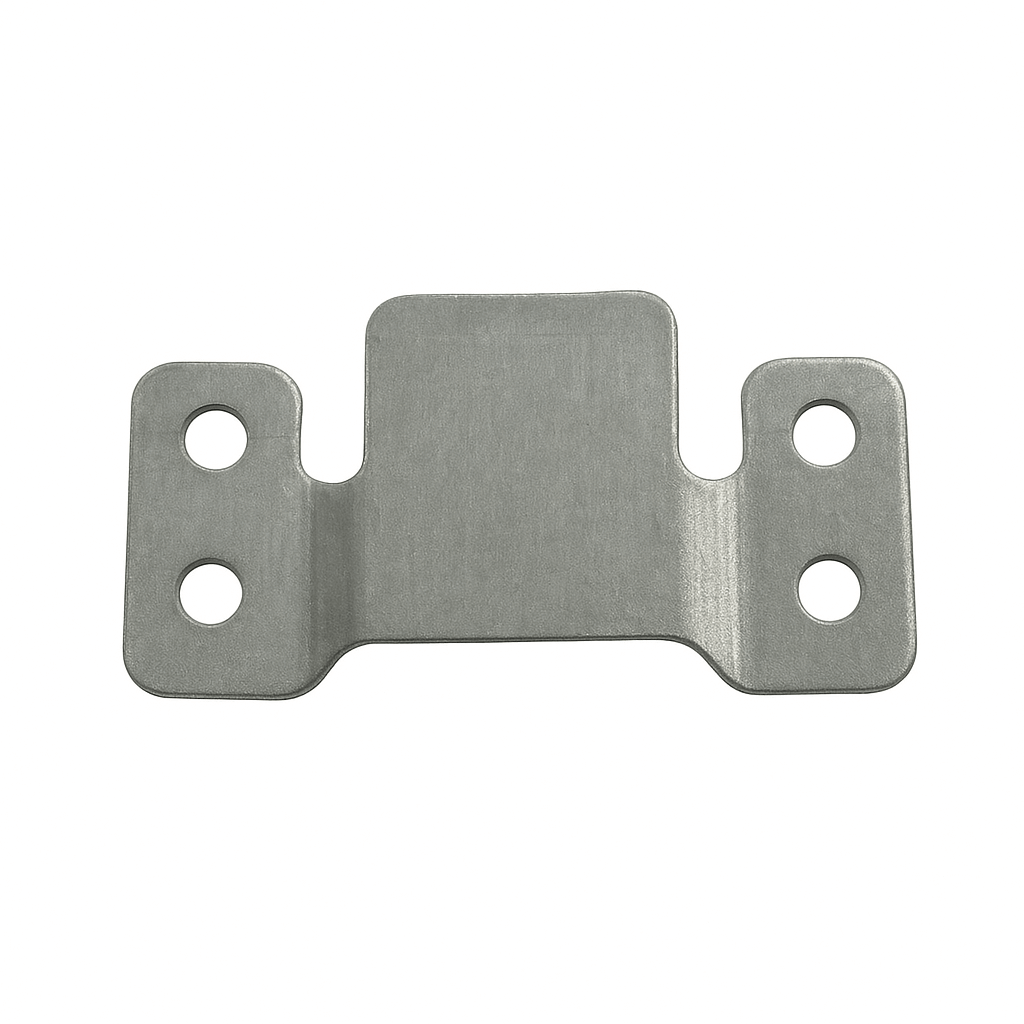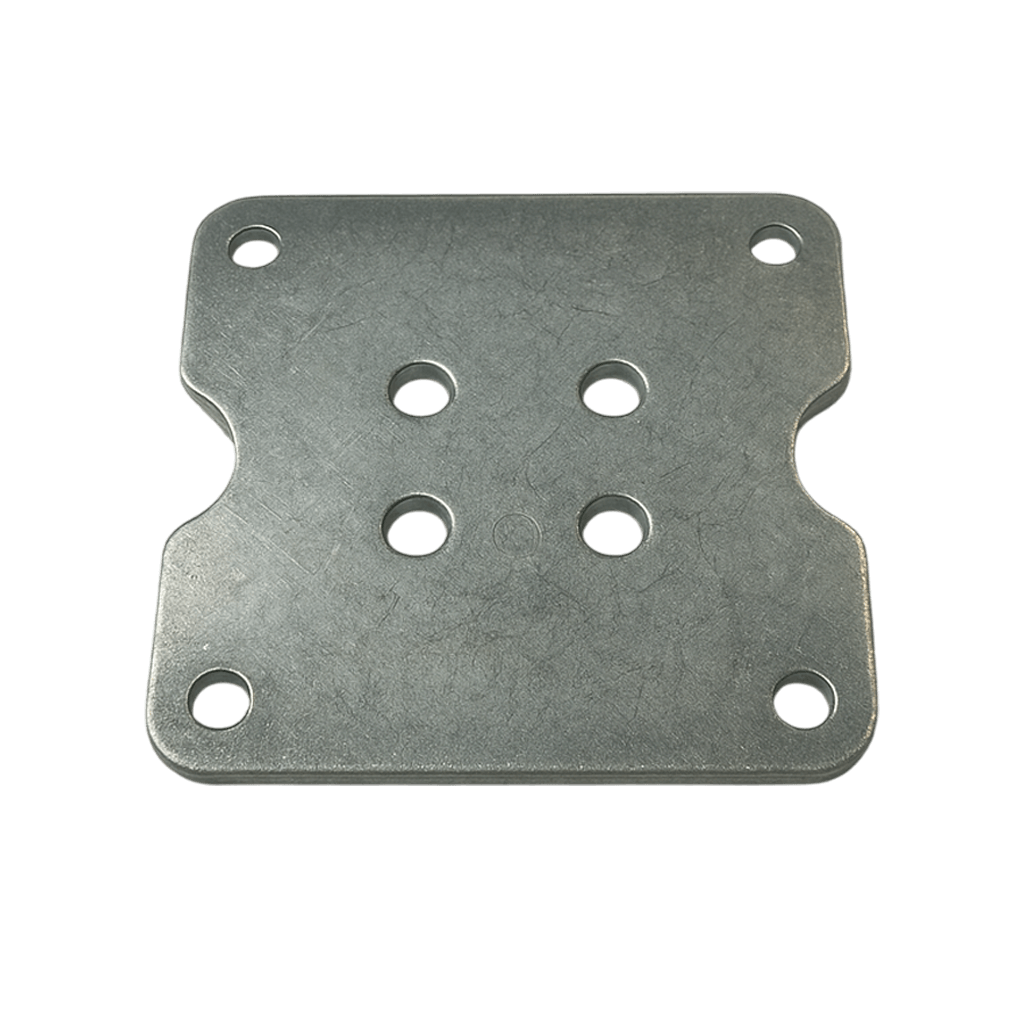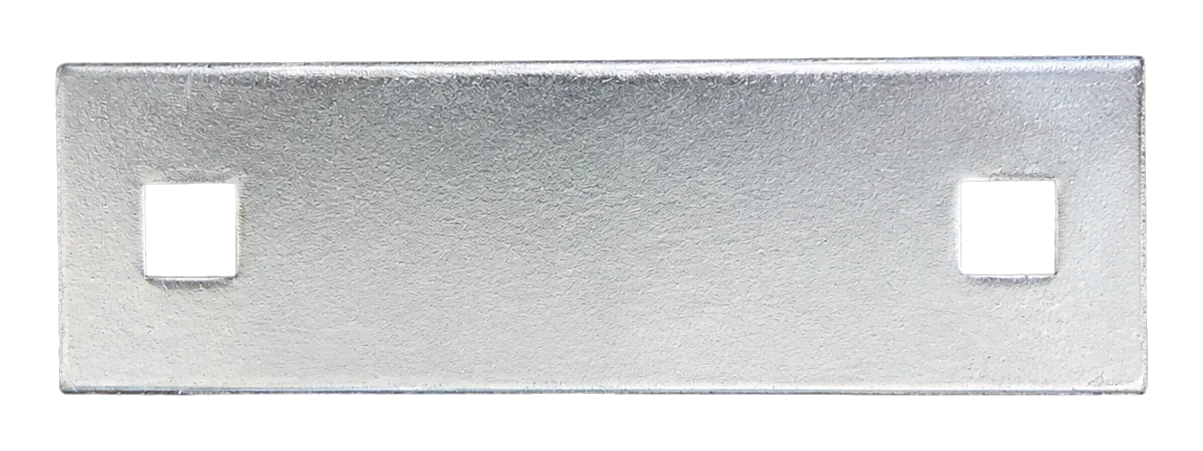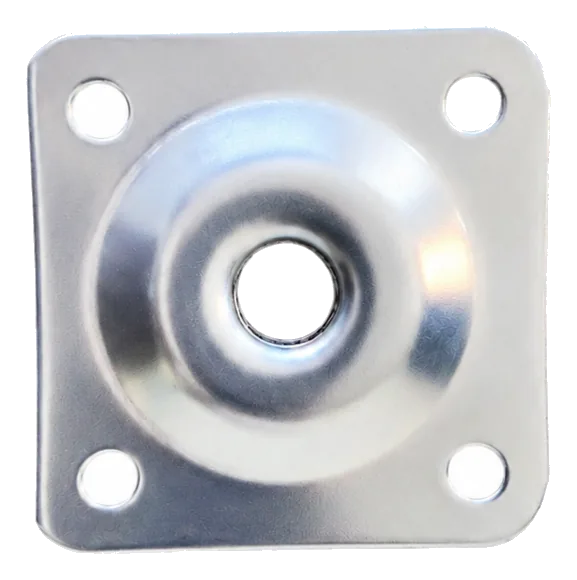
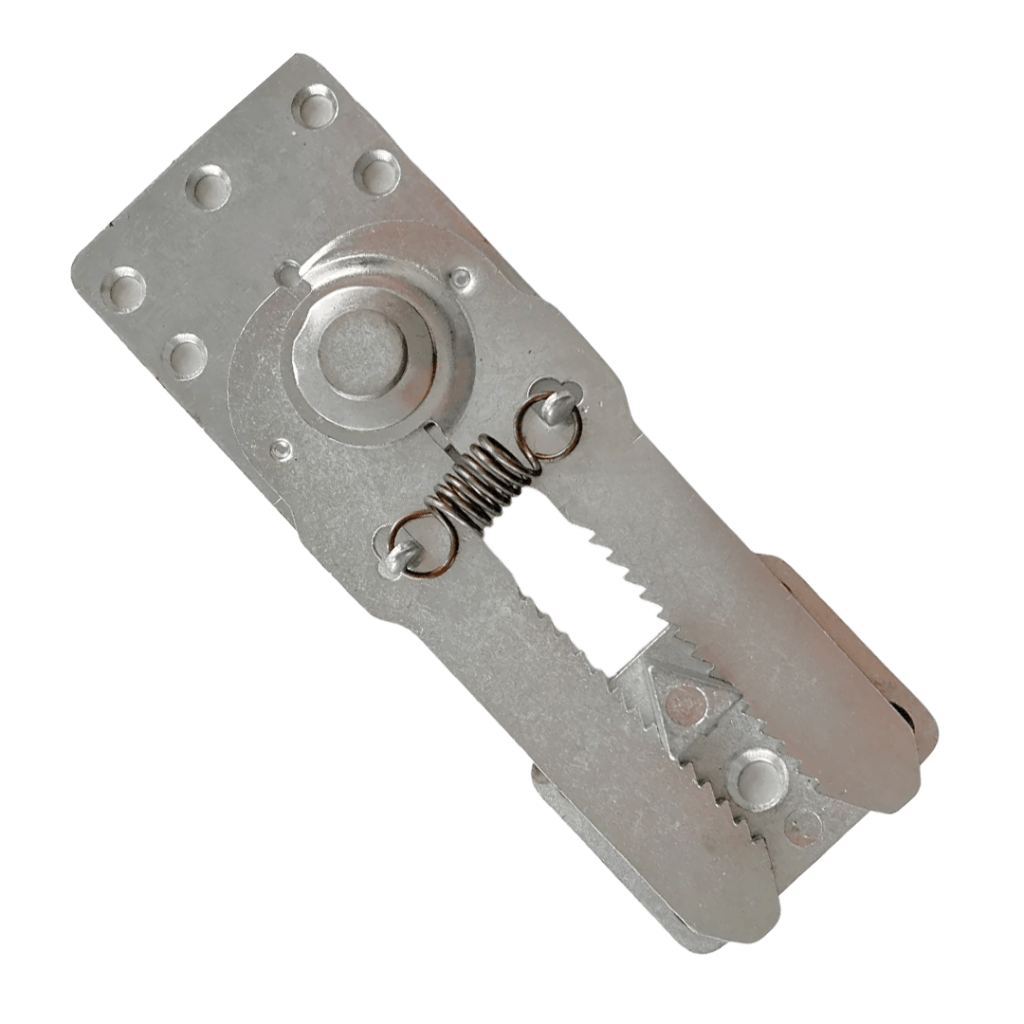
Alligator Sectional Sofa Connector
Product Code ZM6-006
A metal corner connector locks two seating modules of a corner set together; the trade also calls it a crocodile connector. Its drilled plate is screwed to the module frame; as the modules…
Read the full description- Material
- Steel
- Custom Production
- Available in different sizes and surface finishes
Pricing depends on the project. Send us your dimensions and quantity and we will reply the same day.
Ordering from outside Turkey? Send a photo or drawing, the quantity and your destination country on WhatsApp or by email, and we will reply the same day. We already ship to Russia, Georgia, Iraq, Syria and the Balkans.
- Made in our own facility
- Custom sizes available
- Same-day reply
Product Information
Product Overview
A metal corner connector locks two seating modules of a corner set together; the trade also calls it a crocodile connector. Its drilled plate is screwed to the module frame; as the modules are pushed together a spring-loaded pawl clicks over the teeth, holds at whichever notch you leave it on and locks in the opposite direction, so the modules cannot be pulled apart. It is used on corner sets, modular sofas and seating that is taken apart and reassembled. When it is not in use it swings to the left or right and tucks away, so it does not stick out during transport.
Product Advantages
- It tightens notch by notch, so you can leave the gap between the two modules where you want it.
- The spring-loaded pawl locks in the load direction, so the joint does not loosen and the modules do not come apart.
- No tool is needed to separate them: past the last tooth the pawl runs free and the lock releases.
- The plate is screwed to the frame at several points, so the load is not carried by one screw.
Technical Information
| Material | Steel |
|---|---|
| Custom Production | Available in different sizes and surface finishes |
Technical Drawings
These drawings are here to show how the mechanism works and how it goes together. They are not to scale, so please do not measure off them. The numbers on each drawing match the notes below it. If you need a dimensioned technical drawing for your own project, write to us and we will prepare one.
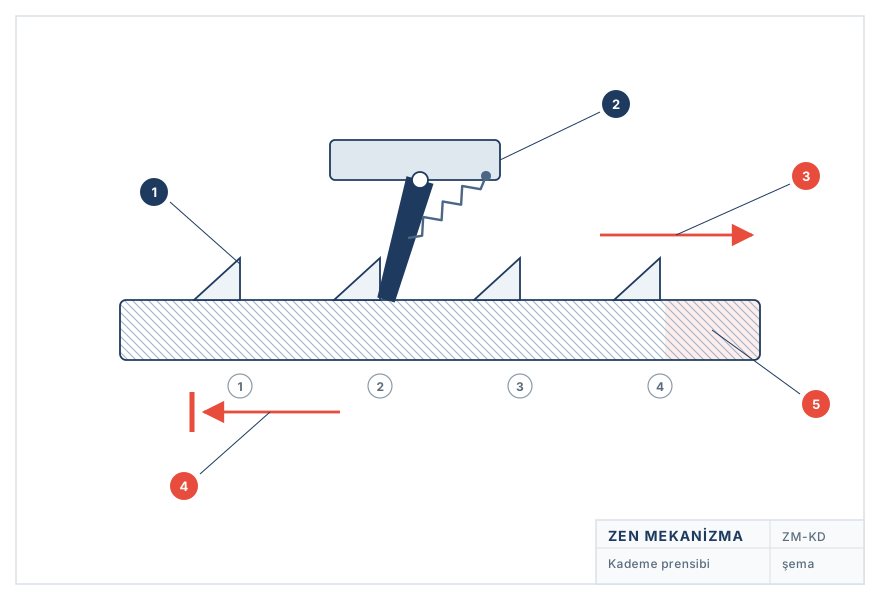
Ratchet operating principle
- 1 Ratchet teeth. Each tooth is one position the mechanism can hold; the number of teeth is the number of settings.
- 2 Spring-loaded pawl. A small spring keeps the pawl pressed against the teeth — this is the part that holds when you let go.
- 3 Lifting direction. Movement is free this way: the pawl slides over the sloped face of each tooth, which is where the clicking sound comes from.
- 4 Load direction. Movement locks this way: the pawl bears against the straight face of the tooth and cannot slip back.
- 5 Once you pass the last tooth the pawl releases and the mechanism drops back to its starting position on its own.
Usage Areas
Corner sofa sets
joins the corner module to the module next to it.
Modular sofas
holds units placed side by side together as one body.
Furniture that is moved and rebuilt
preferred on hotel, office and retail projects where sets are dismantled and set up again.
Frequently Asked Questions
What is a metal corner connector for?
It locks two seating modules of a corner set together. The plate is screwed to the module frame; as you push the modules together a spring-loaded pawl runs over the teeth and holds at whichever notch you leave it on. Because it locks in the load direction, the modules do not come apart in use.
How is the lock released?
Once the pawl passes the last tooth it runs free and the lock opens, so the modules separate. No tool is needed and no screws come out. The same movement re-engages it. The drawing on this page shows the principle step by step.
Is it the same as a crocodile or alligator connector?
Yes, the same part. The trade also calls it a crocodile or alligator connector, and our Turkish catalogue lists it as Timsah Köşe Birleştirici (timsah is Turkish for crocodile; code ZM6-006). It is also sold as a sectional sofa connection fitting. All of these describe this product.
How does it differ from the sectional sofa connector bracket?
Both join corner sets, but they work differently. The bracket locks by two pieces seating into each other and has no moving part. The metal corner connector has a spring and a toothed jaw, so the grip holds on the teeth. Tell us about your project and we can work out which one suits it.
How many are used in one set?
One set per joint. Use as many as the set has module joints; send us your module layout and we can work out the quantity together.
Can we get a dimensioned assembly drawing?
Yes. If you need a drawing prepared to your project dimensions, write to us and we will send one. With size and quantity details we reply the same day.
If your question is not answered here, just ask. Send the dimensions and quantity and we will reply the same day.
Ask your questionRelated Guides
Short guides on selection, assembly and maintenance. Worth reading before you order.
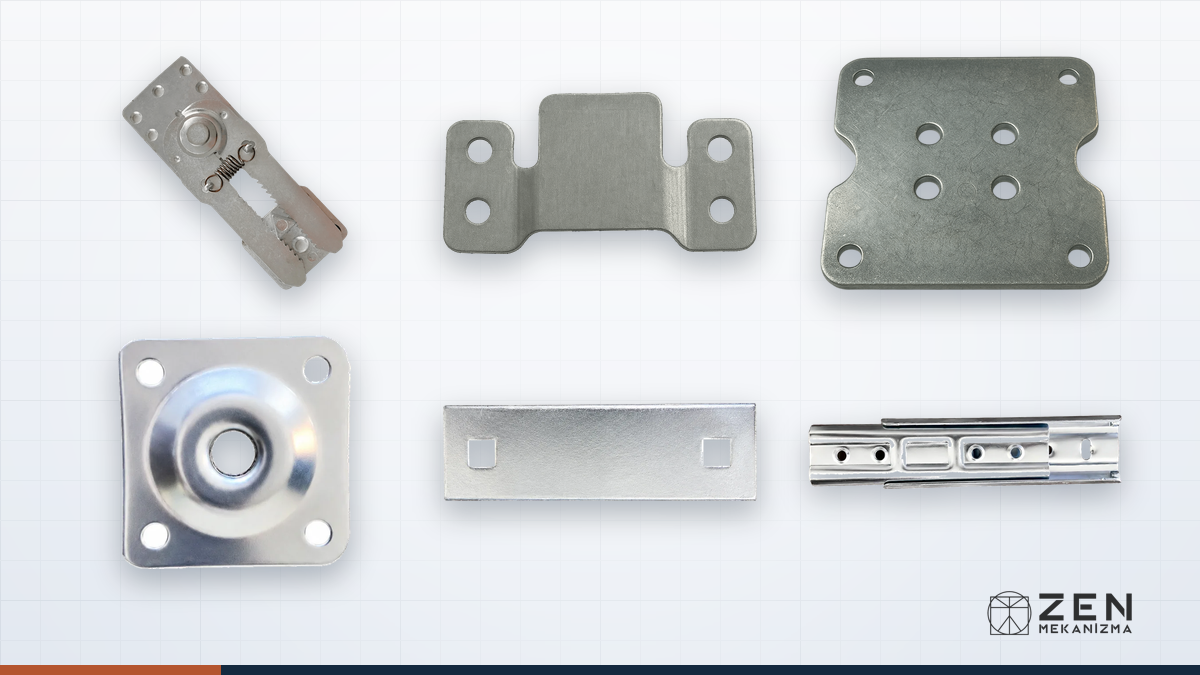 Glossary
A Glossary of Furniture Fittings: 23 Terms in Plain Language
A reference glossary explaining the 23 terms that come up most often in quotations and assembly guides, without workshop jargon.
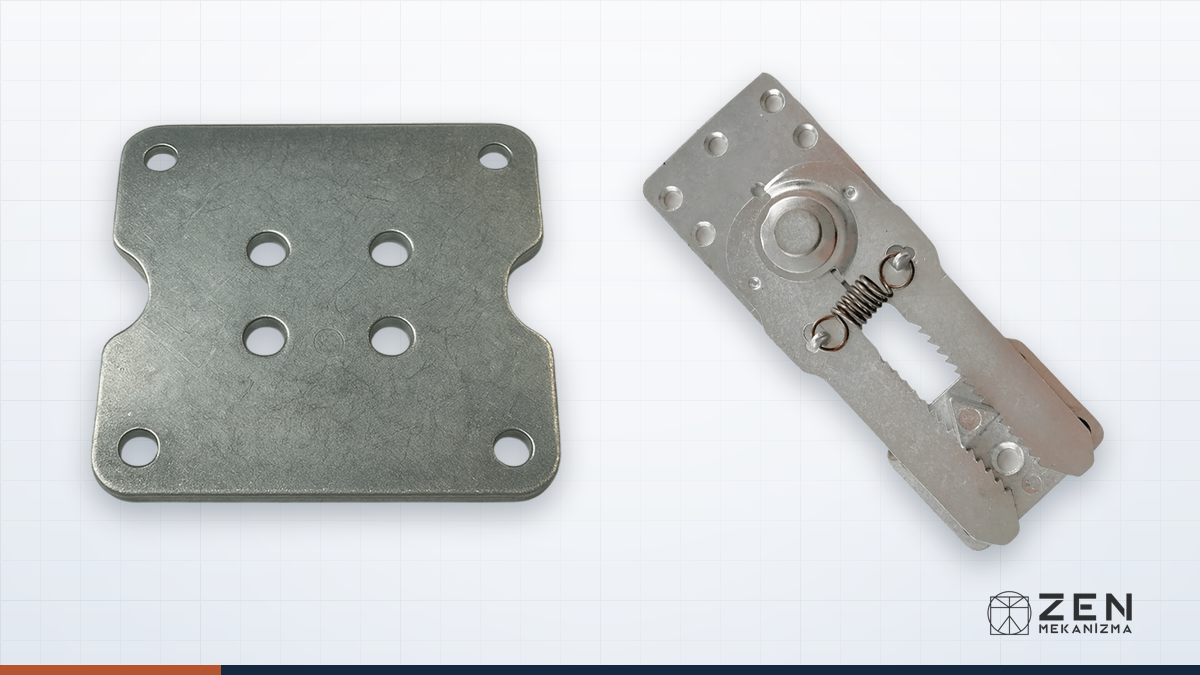 Assembly
5 Common Mistakes in Furniture Assembly
The most common mistakes in mechanism assembly and practical ways to avoid them.