Mechanism Material and Coating: What to Consider?
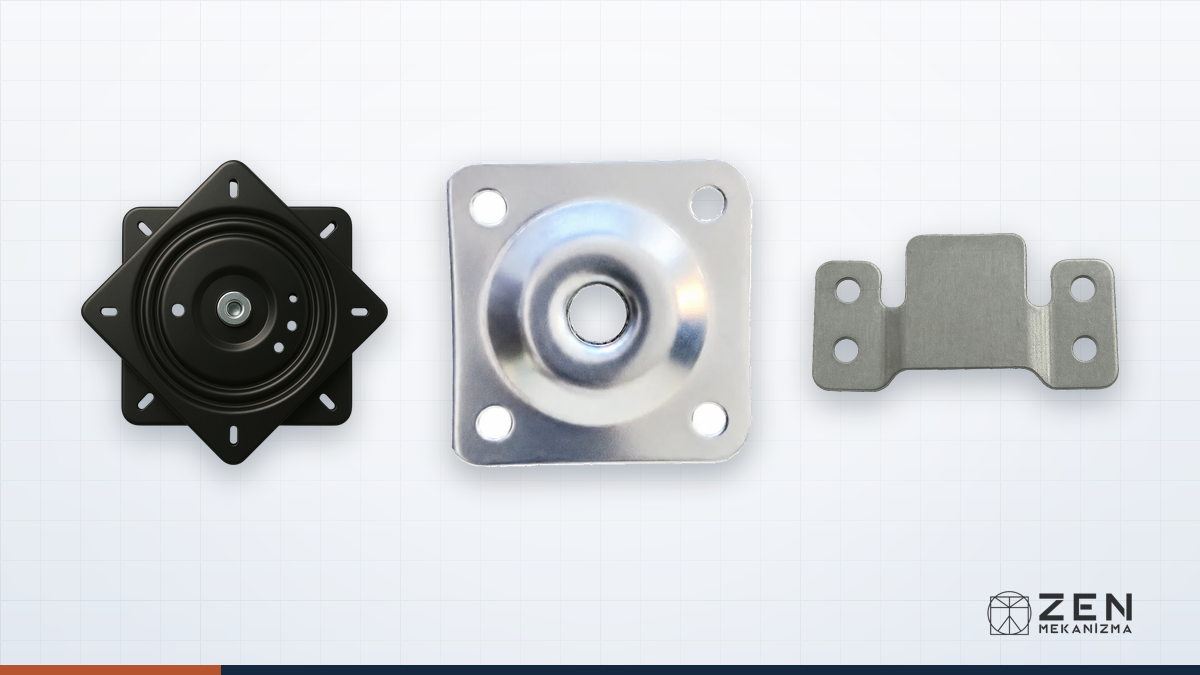
The durability of a mechanism is directly related to the quality of the raw material used and the surface coating. The right material determines the product's lifespan.
Steel quality
The load-bearing parts of the mechanism should be made of steel of sufficient thickness and strength. Thin or low-quality sheet metal bends under load and undergoes permanent deformation.
Galvanized coating
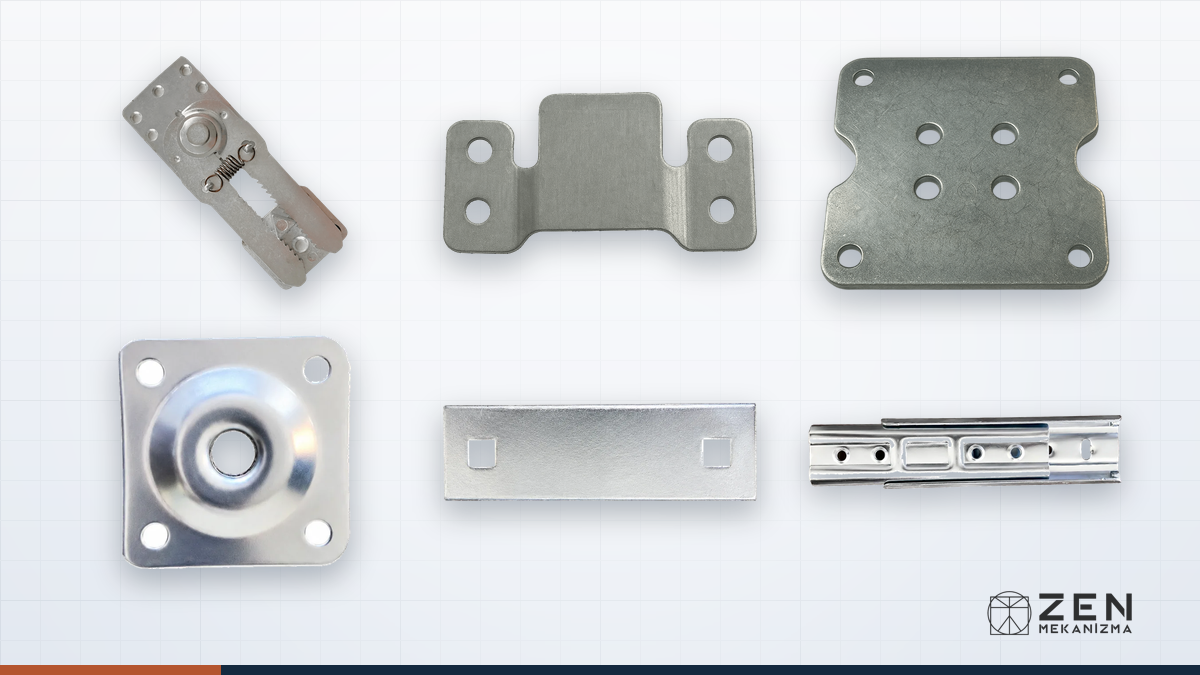
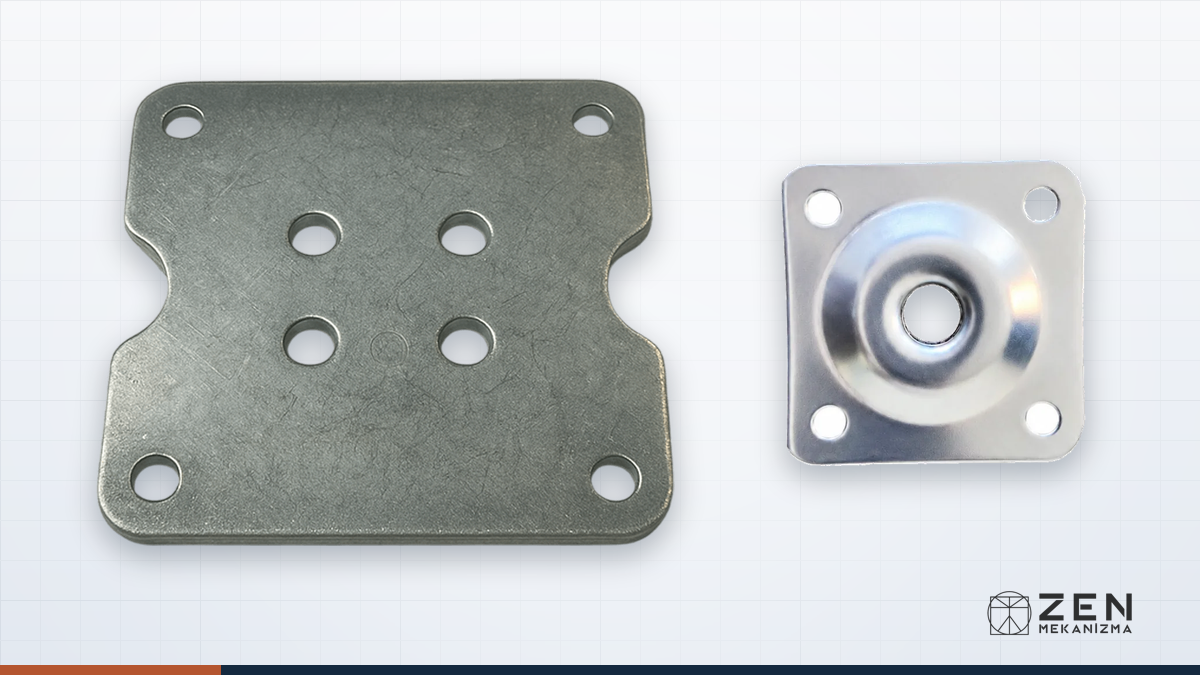
Galvanised (zinc) coating protects steel against corrosion. What sets it apart is that the zinc works sacrificially: even if the surface is scratched through to the steel, the neighbouring zinc corrodes first and the steel is protected for a while longer. That is why galvanising has a place of its own wherever scratches and knocks are likely.
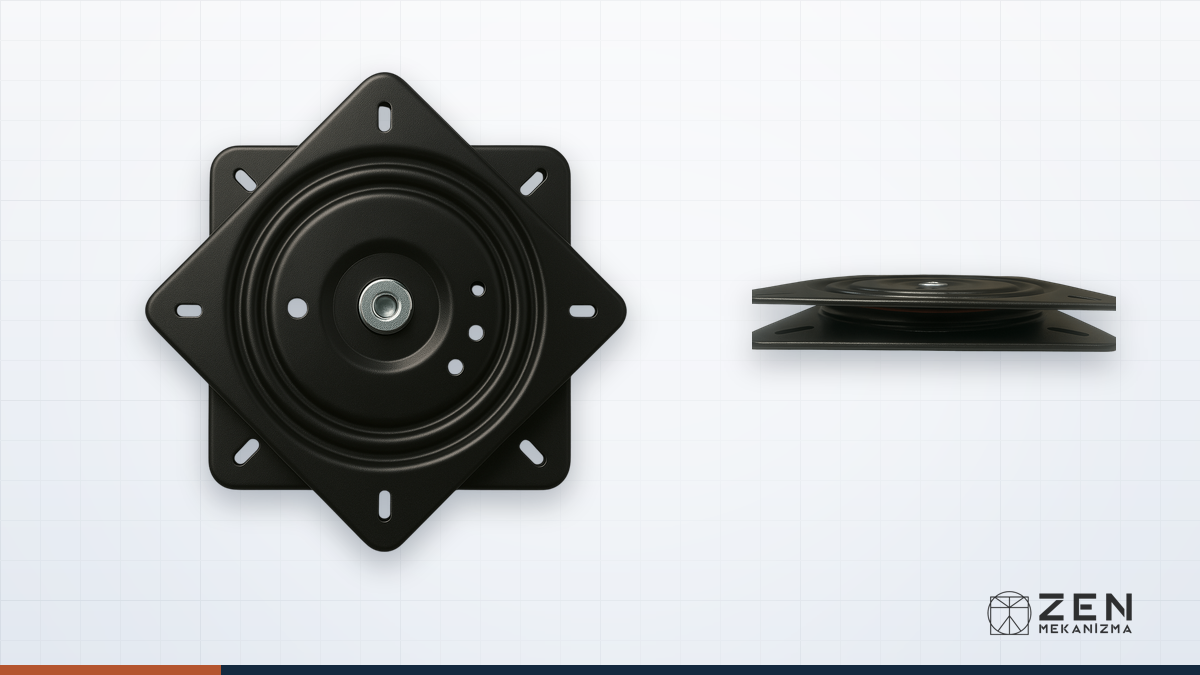
Electrostatic powder coating
- Provides both an aesthetic and protective surface.
- It is a thicker layer than galvanising, so it resists surface scratching and impact better.
- But its protection is barrier protection: if a scratch goes through the paint to the steel, moisture gets in there and rust travels under the coating. There is no self-healing effect as there is with zinc.
- Blends with furniture design thanks to color options.
Which one, under which conditions?
In dry indoor spaces, galvanising is often enough. If the part stays visible, chrome plating or a coloured powder coat comes in. Where there is moisture, the most durable answer is to stack the two — galvanising first, electrostatic powder coat over it; that is how the surface of the Zen Mekanizma swivel mechanism is specified. Stainless steel is for applications that need the highest corrosion resistance: its advantage is not strength but that it does not rust.
Material selection is not a cost item but a long-term investment.
Frequently Asked Questions
What is the difference between galvanising and powder coating?
Galvanising adds a zinc layer over the steel to delay corrosion; it is thin and metallic. Powder coating is applied electrostatically and cured in an oven, producing a thicker coloured layer that resists surface scratching better and looks finished on visible parts. The difference that matters: with galvanising a scratch does not stop the zinc protecting the steel around it; with powder coating, a scratch that reaches the steel lets rust travel under the paint.
Does coating increase load capacity?
No. Capacity comes from the thickness and geometry of the load-bearing steel. A coating protects the surface: it extends life but carries no load.
Which option suits humid environments?
Think in layers rather than in a single coating: powder coat over galvanising outlasts either of them on its own in a humid room. If the part stays visible, chrome plating is also an option. For heavy, sustained humidity, stainless steel is considered — what is wanted there is corrosion resistance, not strength.
Let's find the right mechanism for your project together
Browse our products or get in touch with us.